
Documents
Assessing regulatory adaptation: energy and financial services
Delivered as part of ‘Too busy to think’, Annual Westminster Conference 2017
Delivered as part of ‘Too busy to think’, Annual Westminster Conference 2017
Delivered as part of ‘Too busy to think’, Annual Westminster Conference 2017
Delivered as part of ‘Too busy to think’, Annual Westminster Conference 2017
Delivered as part of ‘Too busy to think’, Annual Westminster Conference 2017
Delivered as part of ‘Too busy to think’, Annual Westminster Conference 2017
Too busy to think? Entropic processes in regulatory policies: Programme notes
Delivered as part of ‘Too busy to think’, Annual Westminster Conference 2017

Our aim in this paper is to explain and comment on some of the principal features and implications of the European Economic Area Agreement (EEAA). A number of misunderstandings about the content and operation of the Agreement appear to have made their way into public discourse in the UK. We are concerned about the distorting effect of these, not only on public perceptions, but also potentially on the Government’s position. Our hope is that this paper may help inform a more considered debate about the UK’s Brexit destination.
The Australian state of Victoria will be implementing a new water pricing framework for the
next regulatory price review in 2018. The framework will apply to 16 of the State’s urban
water businesses and Southern Rural Water.
In May 2016, the Essential Services Commission (ESC), Victoria’s economic regulator,
released a position paper setting out a proposed, new pricing approach and invited
submissions on its proposal.3 Based on feedback received through this consultation process,
the ESC released a final report in October 2016 that sets out the water pricing framework and
approach that is to be implemented from 2018.4
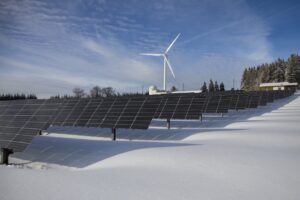
This Report provides an account of the development of GB energy and environmental policies over recent decades, with a focus on the extent to which they have worked together to bring about best-feasible trade-offs between major policy objectives such as reduction in greenhouse gas (GHG) emissions and promotion of the long-term interests of energy consumers
Delivered as part of ‘The evolution of UK regulatory policy in retrospect: What has worked well? What hasn’t? What can be learned from experience?’, Annual Competition and Regulation Conference 2016
Delivered as part of ‘The evolution of UK regulatory policy in retrospect: What has worked well? What hasn’t? What can be learned from experience?’, Annual Competition and Regulation Conference 2016
Delivered as part of ‘The evolution of UK regulatory policy in retrospect: What has worked well? What hasn’t? What can be learned from experience?’, Annual Competition and Regulation Conference 2016
Delivered as part of ‘The evolution of UK regulatory policy in retrospect: What has worked well? What hasn’t? What can be learned from experience?’, Annual Competition and Regulation Conference 2016
Delivered as part of ‘The evolution of UK regulatory policy in retrospect: What has worked well? What hasn’t? What can be learned from experience?’, Annual Competition and Regulation Conference 2016
Delivered as part of ‘The evolution of UK regulatory policy in retrospect: What has worked well? What hasn’t? What can be learned from experience?’, Annual Competition and Regulation Conference 2016
Delivered as part of ‘The evolution of UK regulatory policy in retrospect: What has worked well? What hasn’t? What can be learned from experience?’, Annual Competition and Regulation Conference 2016
Delivered as part of ‘The evolution of UK regulatory policy in retrospect: What has worked well? What hasn’t? What can be learned from experience?’, Annual Competition and Regulation Conference 2016

Delivered as part of ‘The evolution of UK regulatory policy in retrospect: What has worked well? What hasn’t? What can be learned from experience?’, Annual Competition and Regulation Conference 2016
Delivered as part of ‘The evolution of UK regulatory policy in retrospect: What has worked well? What hasn’t? What can be learned from experience?’, Annual Competition and Regulation Conference 2016
Delivered as part of ‘The evolution of UK regulatory policy in retrospect: What has worked well? What hasn’t? What can be learned from experience?’, Annual Competition and Regulation Conference 2016
Delivered as part of ‘The evolution of UK regulatory policy in retrospect: What has worked well? What hasn’t? What can be learned from experience?’, Annual Competition and Regulation Conference 2016

In discourse following the UK referendum on 23 June 2016 significant attention has been paid
to the question What does Brexit mean? The answer seems to be straightforward: it means
UK exit from the EU, which requires UK withdrawal from the EU Treaty.
A much more important and challenging question is What next? Central to evaluation of the
options available is another question, a question about the meaning of words: What does the
expression free movement of persons mean? Put more specifically: What conditions need to
be satisfied in order to be able to say that free movement of persons has been established?

The UK is currently a Contracting Party to the European Economic Area (EEA) Agreement, and exit from the EU does not necessarily imply exit from the Single Market (i.e. withdrawal from the Agreement). Exit from the EEA would require that extra steps be taken, either unilaterally by the UK or by the other Contracting Parties to the Agreement.
There is no explicit provision in the Agreement for the UK to cease to be a Contracting Party other than by unilateral, voluntary withdrawal, which requires simply the giving of twelve months’ notice in writing (Article 127). A commonly held assumption that only EU and EFTA members can be Parties to the EEA Agreement – and hence that the UK has to be a member of one or other of these two organisations to be in the Single Market – is not well grounded, although UK consideration of an application for EFTA membership is an option well worth exploring in its own right.
Delivered as part of ‘Issues in market and regulatory governance’, Annual Westminster Conference 2016
Delivered as part of ‘Issues in market and regulatory governance’, Annual Westminster Conference 2016